
Starting a vegetable garden sounds simple until the questions begin. How much sun is enough? Is your soil suitable? Should you start with seeds or seedlings? How far apart should everything go? And when a plant starts looking unhappy, does it need water, fertilizer, or something else?
The good news is that vegetable gardening for beginners does not need to be complicated. A productive first garden can begin with a good location, healthy soil, a few suitable crops, and a simple routine for watering, feeding, checking plants, and harvesting.
A useful sequence to remember is:
Site → soil → crops → season → plant → water → feed → inspect → harvest
Start Small Enough to Learn From Your First Garden
One of the easiest mistakes is starting with more garden than you can comfortably maintain.
A bigger garden means more:
- Watering
- Weeding
- Pest monitoring
- Harvesting
- Soil preparation
- Plants to troubleshoot
For your first season, it is usually more useful to learn from a manageable number of crops than to try growing everything at once.
Grow Vegetables You Actually Eat
Before buying seeds, ask yourself:
- Which vegetables does your household use regularly?
- Which vegetables do you enjoy eating fresh?
- Which crops fit your available space?
- How much produce could you realistically use?
A vegetable garden should serve your household, not simply reproduce a seed catalogue.
Limit the Number of Crops
A simple first garden might include:
- One leafy vegetable
- One quick-growing root crop
- One bean crop
- One fruiting vegetable
- One or two herbs
For example:
- Lettuce
- Radishes
- Bush beans
- One tomato plant
- Basil
This gives you different growing experiences without forcing you to learn the needs of 15 unrelated vegetables at the same time.
Leave Yourself Room to Expand
It is much easier to expand a successful garden next season than to rescue an oversized first garden that has become difficult to maintain.
Think of your first vegetable garden as a learning season.
Choose the Best Location Before You Prepare the Soil
Location is one of the most important decisions because it is difficult to change after planting.
Prioritize Sunlight
Many vegetable gardens perform best with substantial direct sunlight.
A general benchmark is at least six hours of full sun per day, with more often preferable for many crops.
However, this is not a universal rule for every vegetable.
Some leafy crops may tolerate less sun than fruiting crops such as tomatoes or peppers.
Check the requirements of the vegetables you intend to grow.
Choose a Spot Near Water
Your garden will need regular access to water, particularly:
- During germination
- After transplanting
- During dry weather
- While certain crops are flowering or producing
A garden that is difficult to reach with a hose or watering can may become harder to maintain consistently.
Convenience matters.
Check the Drainage
After rain or watering, the site should not remain waterlogged for long periods.
Look for soil that is:
- Workable
- Well drained
- Not permanently muddy
- Not heavily compacted
Poor drainage can create problems for vegetable roots.
Make the Garden Easy to Reach
You should be able to:
- Weed
- Water
- Inspect plants
- Harvest
without repeatedly stepping into planted soil.
Plan paths or reachable bed edges before planting.
Consider Shade, Wind, and Nearby Trees
Look around the site.
Potential problems include:
- Buildings casting long shadows
- Large trees
- Hedges
- Strong prevailing wind
- Roots from nearby woody plants
A site can appear sunny for part of the day while still receiving significant shade when the sun moves.
Think About Wildlife
Depending on where you live, local visitors may include:
- Rabbits
- Deer
- Birds
- Other animals
Protection methods should match the actual problem in your area rather than relying on one universal barrier.
Choose Between In-Ground Beds, Raised Beds, and Containers
You do not need a traditional garden plot to grow vegetables.
Each growing method has advantages.
In-Ground Gardening
An in-ground garden may work well when your existing soil is:
- Safe for growing food
- Reasonably well drained
- Workable
- Easy to access
This can be one of the simplest approaches because you use the ground that is already available.
Raised Beds
Raised beds can be useful if:
- Native soil is difficult to work
- Drainage is poor
- You want more control over the growing medium
They can also make it easier to define clear paths and planting areas.
They are not automatically better than in-ground soil, though.
The right choice depends on your site.
Containers
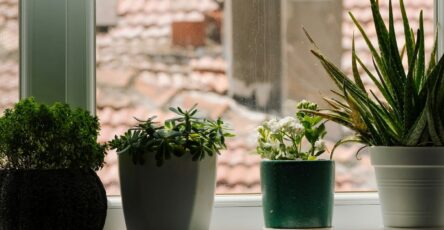
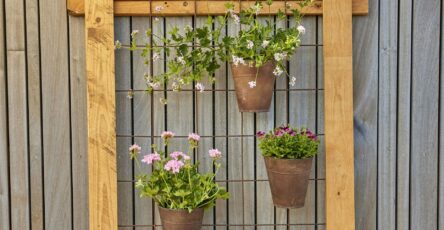
Container gardening works well for:
- Patios
- Balconies
- Small yards
- Renters
- Locations where in-ground soil is unsuitable
Many vegetables can grow successfully in containers when the pot, growing medium, drainage, water, and feeding are appropriate.
Containers usually need closer attention to:
- Moisture
- Drainage
- Fertility
- Pot size
because their root zone is limited.
Test and Improve the Soil Before Planting
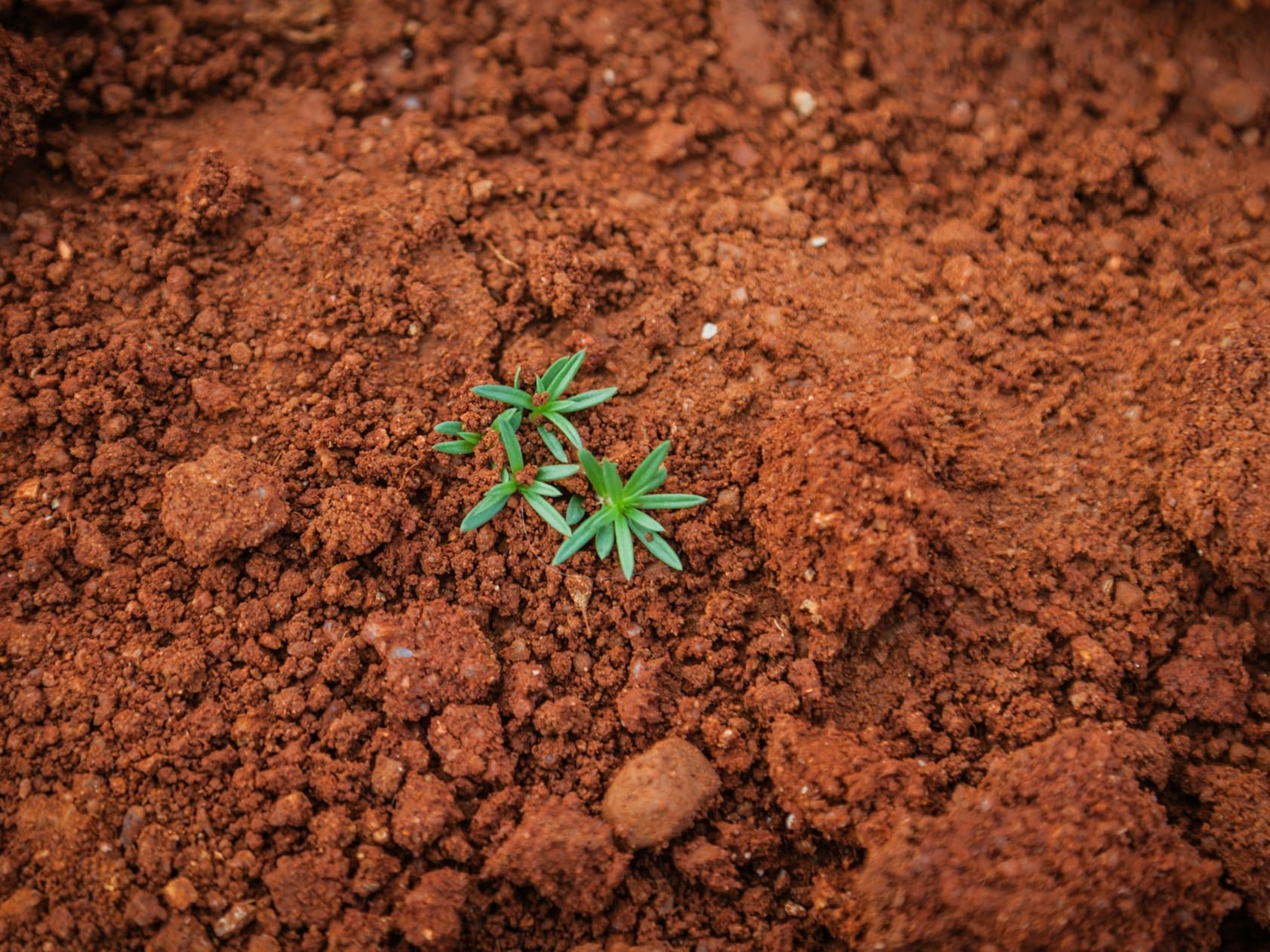
Soil is more than something that holds the plant upright.
It influences:
- Root development
- Water drainage
- Moisture retention
- Nutrient availability
- Air movement around roots
Consider a Soil Test
If you are planting in the ground, a laboratory soil test can provide useful information.
Depending on the laboratory, results may include:
- Soil pH
- Nutrient levels
- Organic matter
- Other locally relevant information
Where soil contamination is a concern, appropriate local testing may also be important before growing food.
Do not rely on one universal contamination number. Standards and recommendations can differ by location.
Aim for Workable, Well-Drained Soil
Good vegetable-garden soil should allow roots to grow while still holding useful moisture.
Avoid thinking that one exact soil texture is ideal everywhere.
What matters is that the soil is workable and supports:
- Drainage
- Root growth
- Air movement
- Moisture retention
Add Organic Matter Where Appropriate
Compost can help improve soil structure and organic matter.
How much you should add depends on:
- Existing soil
- Soil test
- Previous amendments
- Local recommendations
More compost is not automatically better.
Avoid Working Very Wet Soil
If the soil is waterlogged, especially heavy clay soil, avoid digging or cultivating it aggressively.
Working very wet soil can damage its structure.
Wait until conditions are suitable.
Don’t Use Fertilizer as a Substitute for Soil Preparation
Fertilizer provides nutrients.
It does not automatically solve:
- Compaction
- Poor drainage
- Incorrect pH
- Poor soil structure
Prepare the soil first, then feed crops according to actual need.
Choose Beginner-Friendly Vegetables That Fit Your Season
An “easy” vegetable is one that fits your:
- Climate
- Season
- Available space
- Time
- Garden conditions
A crop that is simple in one region may be difficult in another because of heat, cold, pests, or disease.
Try Quick Crops
Possible choices include:
- Radishes
- Lettuce
- Salad leaves
- Spinach during suitable conditions
These can provide an early harvest while slower crops are still developing.
Consider Straightforward Productive Crops
Examples include:
- Bush beans
- Swiss chard
- Kale
- Summer squash where space allows
Bush forms can be useful for beginners because they may require less structural support than vigorous climbing varieties.
Fruiting Vegetables Are Popular but Need More Attention
Common choices include:
- Tomatoes
- Peppers
- Cucumbers
These may require:
- Longer growing seasons
- Supports
- More space
- Transplants
- Pest and disease monitoring
They can still be good beginner crops when they fit your local conditions.
Think About Mature Size
A small seedling can become a very large plant.
This matters particularly for:
- Squash
- Cucumbers
- Vining tomatoes
- Climbing beans
Check mature size before deciding how many plants to buy.
Consider Dwarf and Bush Varieties
Where space is limited, dwarf or bush varieties can make a garden easier to manage.
Always check the variety description rather than assuming every cultivar grows the same way.
Beginner Crops at a Glance
| Crop Type | Beginner Appeal | Space Need | Typical Starting Method | Main Thing to Check |
|---|---|---|---|---|
| Lettuce | Quick, harvestable young | Low–moderate | Seed or transplant | Heat and season |
| Radish | Fast-growing | Low | Direct seed | Soil moisture |
| Bush beans | Productive and compact | Moderate | Direct seed | Warm planting conditions |
| Chard | Repeated leaf harvest | Moderate | Seed or transplant | Season and spacing |
| Tomato | Familiar and productive | Moderate–high | Often transplant | Support, season, disease |
| Pepper | Relatively compact | Moderate | Often transplant | Warm conditions |
| Cucumber | Productive | Moderate–high | Seed or transplant | Support and space |
| Summer squash | High production potential | High | Seed or transplant | Mature plant spread |
Exact planting dates, spacing, and growing requirements should always come from the seed packet and locally appropriate crop guidance.
Understand Cool-Season and Warm-Season Vegetables
Not every vegetable belongs in the garden at the same time.
Cool-Season Crops
Depending on local conditions, examples may include:
- Lettuce
- Spinach
- Peas
- Radishes
- Some brassicas
These often grow best during cooler parts of the growing season.
Warm-Season Crops
Examples may include:
- Tomatoes
- Peppers
- Cucumbers
- Squash
- Beans
These generally need warmer conditions.
Use a Local Planting Calendar
Planting dates depend on:
- Climate
- Frost pattern
- Variety
- Soil temperature
- Seasonal conditions
Do not rely on a universal calendar found online.
Look for:
- Local university extension guidance
- Local horticultural information
- Regionally appropriate crop calendars
A date that works well in one region may be completely unsuitable somewhere else.
Decide Between Seeds and Transplants
You can start a vegetable garden using either seeds or young plants.
Both are useful.
Direct Sowing
Some crops are commonly sown directly where they will grow.
Examples may include:
- Radishes
- Carrots
- Beans
- Peas
- Many leafy vegetables
Direct sowing can be simple and economical.
Transplants
Young plants can be helpful for crops with longer growing seasons.
Examples may include:
- Tomatoes
- Peppers
- Lettuce
- Some brassicas
depending on your climate.
Using transplants can shorten the amount of outdoor growing time needed before harvest.
Harden Off Indoor-Grown Plants
Seedlings raised indoors should usually be gradually acclimatized before being planted permanently outside.
Do not move tender indoor seedlings directly into harsh outdoor conditions without checking crop-specific guidance.
The exact process depends on:
- Crop
- Weather
- Growing conditions
Don’t Plant Tender Crops Just Because They’re for Sale
Garden centers may sell plants before conditions are ideal in your specific garden.
Check your local planting conditions before transplanting.
Follow Crop-Specific Planting Depth and Spacing
There is no correct universal spacing for vegetables.
A radish and a squash plant obviously do not need the same amount of room.
Read the Seed Packet
The seed packet may provide:
- Planting depth
- Initial seed spacing
- Final plant spacing
- Row spacing
- Maturity estimate
- Seasonal guidance
Use these instructions for the variety you are actually growing.
Understand Why Spacing Matters
Adequate spacing gives plants room for:
- Mature growth
- Root development
- Light
- Air circulation
- Garden access
Crowding too many plants into a small bed does not automatically create a larger harvest.
Thin Seedlings When Necessary
Direct sowing often produces seedlings closer together than their final spacing.
If the crop requires thinning, remove excess seedlings so the remaining plants can develop properly.
Allow for Variety Differences
A compact variety may require much less space than a vigorous full-size cultivar.
Do not copy spacing from a different variety without checking.
Plan Paths Too
Your garden layout should include enough access to:
- Weed
- Inspect
- Water
- Harvest
without repeatedly walking over the root zone.
Water According to the Soil, Weather, and Growth Stage
Avoid watering vegetables according to a fixed calendar.
“Water every two days” can be too much in one garden and not enough in another.
Seeds Need Closer Moisture Monitoring
Newly planted seeds have shallow root zones.
The soil around them may need lighter, more frequent watering to remain appropriately moist during germination.
Established Plants Often Need Deeper Watering
As plants develop larger root systems, deeper watering can help wet more of the root zone rather than only the surface.
Check the Soil First
Before watering, consider:
- Current soil moisture
- Recent rain
- Temperature
- Wind
- Crop type
- Plant size
- Growth stage
- Soil type
- Mulch
- Container versus in-ground growing
Water Near the Root Zone
Direct water toward the soil around the plants where roots can use it.
You generally do not need to wet the entire garden indiscriminately.
Morning Can Be Convenient
Morning watering can be practical because you can supply moisture before the heat of the day.
However, do not allow a plant to remain severely dry simply because it is no longer morning.
Plant need matters more than a rigid clock rule.
Avoid Frequent Shallow Watering for Established Crops
Repeatedly wetting only the top layer may not provide enough moisture deeper in the root zone.
Check the soil rather than assuming that a wet-looking surface means the plant has enough water.
Feed Vegetables According to Their Needs
Vegetables do not all require the same feeding routine.
Avoid a rule such as:
“Fertilize every week.”
Start With Soil Information
Where possible, use a soil test to understand existing fertility.
This helps you avoid adding nutrients that may not be needed.
Understand That Different Crops Have Different Needs
For example:
- Beans differ from leafy vegetables.
- Fruiting crops differ from root crops.
- Container plants differ from in-ground plants.
Follow the Fertilizer Label
Never guess:
- Dose
- Dilution
- Frequency
- Application method
Use the product instructions and crop-appropriate guidance.
More Fertilizer Is Not Better
Overapplication can:
- Damage plants
- Waste nutrients
- Promote unwanted growth in some situations
- Increase nutrient movement away from the garden
Use only what is actually needed.
Don’t Blame Every Yellow Leaf on Fertility
Yellowing or poor growth may also be linked to:
- Water stress
- Root damage
- Poor drainage
- Compacted soil
- Crowding
- Light problems
- Pests
- Disease
Look at the entire situation before fertilizing.
Control Weeds While They Are Small
Weeding becomes much easier when it is part of your regular garden routine.
Pull Small Weeds Early
Possible methods include:
- Hand pulling
- Shallow hoeing
- Appropriate mulch
A few minutes of early weed control is often easier than dealing with mature weeds later.
Avoid Deep Cultivation Around Vegetable Roots
Established vegetables may have roots close to the soil surface.
Keep cultivation shallow where appropriate.
Use Mulch When It Fits the Crop
Suitable mulch may help:
- Suppress weeds
- Reduce exposed soil
- Conserve moisture
The correct material, timing, and depth depend on the garden and crop.
Check for Pests Before You Spray Anything
Seeing an insect does not automatically mean you have a pest problem.
Some insects are:
- Pollinators
- Predators of other insects
- Neutral garden visitors
Start with observation.
Inspect Plants Regularly
Look at:
- Top of leaves
- Leaf undersides
- Stems
- Flowers
- Developing fruit
- Soil surface
Learn What Healthy Plants Look Like
Regular inspection makes it easier to notice changes such as:
- Chewed leaves
- Spots
- Distorted growth
- Wilting
- Eggs
- Insects
- Other unusual signs
Identify the Problem First
Do not treat an unidentified insect simply because it is on the plant.
Correct identification helps you decide whether action is necessary.
Start With Appropriate Non-Chemical Controls
Depending on the correctly identified problem, options may include:
- Hand-picking certain pests
- Removing heavily affected plant material where appropriate
- Barriers
- Netting
- Improved sanitation
- Better spacing
- Crop rotation
Use Pesticides Only When Appropriate
If a pesticide is needed:
- Identify the pest.
- Confirm the product is labeled for the crop and pest.
- Follow the label exactly.
- Observe any harvest-related restrictions.
Do not use homemade pesticide mixtures simply because they appear “natural.”
Support Crops Before They Become Difficult to Manage
Some vegetables grow more easily with support.
Examples include:
- Tomatoes
- Cucumbers
- Pole beans
- Peas
Install Supports Early
Depending on the crop, you may use:
- Cage
- Stake
- Trellis
It is generally easier to install support while plants are still small.
Match the Support to the Variety
Check:
- Mature size
- Growth habit
- Variety
A compact tomato and a vigorous climbing tomato do not necessarily need the same support.
Learn When Your Vegetables Are Ready to Harvest
Harvesting is part of gardening, not an afterthought.
Different vegetables are ready at different stages.
Leafy Vegetables
Examples include:
- Lettuce
- Chard
- Spinach
- Kale
Some can be harvested by taking outer leaves while allowing the center to continue growing.
Root Vegetables
Examples include:
- Radishes
- Carrots
- Beets
Harvest readiness is usually related to root development and the size you want for eating.
Beans and Peas
Look at:
- Pod development
- Tenderness
- Intended use
Some crops continue producing when harvested regularly.
Fruiting Vegetables
Examples include:
- Tomatoes
- Peppers
- Cucumbers
- Summer squash
The right stage depends on the crop and how you intend to use it.
Don’t Rely Only on Days to Maturity
A packet’s maturity estimate is useful, but it is still an estimate.
Actual timing can change with:
- Variety
- Weather
- Planting date
- Growing conditions
Use crop-specific physical signs as well.
Harvest Regularly
Some vegetables are better harvested before they become oversized or overmature.
Regular garden checks help prevent missing the ideal stage.
Vegetable Gardening Basics at a Glance
| Garden Decision | Beginner Approach | Why It Matters | What to Verify Locally |
|---|---|---|---|
| Garden size | Start manageable | Easier maintenance | Space and time available |
| Location | Sunny, accessible, near water | Supports growth and routine care | Crop sunlight needs |
| Soil | Test and improve where needed | Roots depend on soil conditions | pH, nutrients, contamination |
| Crop choice | Grow a few foods you enjoy | Keeps first garden manageable | Season and climate |
| Planting time | Follow local calendar | Crops prefer different conditions | Frost and season dates |
| Seeds vs. plants | Match method to crop | Different crops establish differently | Crop-specific method |
| Spacing | Follow packet/profile | Reduces unnecessary crowding | Variety-specific spacing |
| Watering | Check soil and root zone | Needs vary with weather and stage | Crop and soil needs |
| Feeding | Use soil test + crop guidance | Helps avoid deficiency and excess | Fertilizer rate |
| Pests | Inspect and identify first | Prevents unnecessary treatment | Local pest species |
| Harvest | Use crop-specific signs | Quality depends on maturity | Variety and conditions |
Common Vegetable Gardening Mistakes Beginners Make
Starting Too Large
More plants mean more maintenance.
Start with a garden you can realistically check and care for.
Choosing a Poorly Lit Site
Do not automatically use the only empty corner of the yard.
Observe the light first.
Skipping Soil Preparation
Seeds cannot compensate for badly compacted or poorly drained soil.
Planting Everything at Once
Cool-season and warm-season vegetables have different planting needs.
Ignoring Mature Plant Size
A tiny squash or cucumber seedling can eventually occupy a large amount of space.
Planting Too Closely
Follow variety-specific spacing rather than trying to fit as many plants as possible into the bed.
Watering a Little Every Day Without Checking
Seeds and established plants have different moisture needs.
Check the soil.
Fertilizing Every Time a Plant Looks Unhappy
First consider:
- Moisture
- Drainage
- Pests
- Light
- Root problems
- Crowding
Spraying the First Bug You See
Identify insects before deciding they need control.
Waiting Too Long to Harvest
Some crops lose quality when left to become oversized.
Learn the signs for the vegetables you grow.
Expecting Every Crop to Succeed
Weather, pests, disease, and seasonal conditions can affect even well-maintained gardens.
A crop that fails is also information you can use next season.
How to Start a Vegetable Garden in the Right Order
Use this sequence for your first garden.
Step 1: Choose a Manageable Space
Start with an area you can regularly maintain.
Step 2: Observe the Site
Check:
- Sun
- Drainage
- Water access
- Shade
- Wind
- Wildlife
Step 3: Test and Prepare the Soil
Use locally appropriate testing guidance where available.
Improve the soil based on what it actually needs.
Step 4: Choose a Few Suitable Crops
Base your choices on:
- Season
- Climate
- Space
- What your household eats
Step 5: Check Local Planting Dates
Use regional or local planting guidance.
Step 6: Make a Simple Garden Plan
Mark:
- Crop locations
- Spacing
- Paths
- Supports
Step 7: Sow or Transplant
Follow crop-specific instructions for:
- Depth
- Spacing
- Timing
Step 8: Water During Establishment
Monitor seeds and young plants carefully.
Step 9: Maintain the Garden
Regularly:
- Check soil moisture
- Pull weeds
- Inspect for pests
- Feed according to need
- Add supports when required
Step 10: Harvest at the Right Stage
Learn the crop-specific signs rather than relying only on a calendar.
The full process is:
Site → soil → crops → season → plant → water → feed → inspect → harvest
Frequently Asked Questions About Vegetable Gardening for Beginners
Is Vegetable Gardening for Beginners Difficult?
It does not need to be.
A small garden with a few suitable crops is easier to learn from than a large plot filled with many vegetables.
Start with:
- Good light
- Manageable space
- Prepared soil
- A few crops
- Regular observation
What Vegetables Are Easiest for Beginners?
Depending on your climate and season, possibilities may include:
- Lettuce
- Radishes
- Bush beans
- Chard
- Kale
- Summer squash
- Tomatoes
- Peppers
- Cucumbers
The easiest crop is one that fits your local growing conditions.
How Much Sun Does a Vegetable Garden Need?
Many vegetable gardens benefit from at least six hours of full sun per day, with some crops preferring more.
Individual vegetable requirements vary, so check the guidance for each crop.
Should Beginners Use Seeds or Starter Plants?
Both can work.
Seeds are convenient for many direct-sown crops.
Transplants can be helpful for some vegetables with longer growing seasons.
Choose according to the crop, season, and climate.
How Far Apart Should Vegetables Be Planted?
There is no universal spacing.
Use:
- Seed packet
- Variety description
- Crop-specific extension or horticultural guidance
because mature sizes vary considerably.
How Often Should I Water My Vegetable Garden?
Check the soil rather than following a rigid calendar.
New seeds often need closer moisture monitoring, while established plants can usually be watered more deeply according to root-zone conditions.
Weather, soil, crop, and growth stage all affect frequency.
Do Vegetables Need Fertilizer?
Sometimes.
The correct amount depends on:
- Existing soil fertility
- Crop
- Growth stage
Use soil-test guidance where available and always follow fertilizer labels.
How Do I Keep Bugs Off Vegetable Plants?
Inspect your plants regularly and identify the problem first.
Not every insect needs to be removed.
When control is needed, choose an appropriate method based on the correctly identified pest and crop.
How Do I Know When Vegetables Are Ready to Harvest?
Use crop-specific signs.
Leafy vegetables, root crops, pods, and fruiting vegetables all mature differently.
Check:
- Seed packet
- Variety guidance
- Reliable crop-specific horticultural information
Conclusion
A successful first vegetable garden does not require you to master everything at once.
Focus on the fundamentals:
Site → soil → crops → season → plant → water → feed → inspect → harvest
Start smaller than you think you need. Choose a sunny, practical location with good access to water. Learn what your soil needs before applying fertilizer. Pick vegetables suited to your climate, season, and available space.
Follow crop-specific planting and spacing guidance instead of universal measurements. Check the soil rather than watering by a fixed calendar. Feed plants according to actual need, pull weeds while they are small, and inspect your vegetables regularly before treating insects or diseases.
Finally, learn when each crop is ready to harvest.
Your first garden does not need to be perfect. It needs to be manageable enough that you can observe what works, notice what does not, and use what you learn the next time you plant.
Choose three vegetables your household already enjoys, identify the sunniest practical growing area available to you, and check your local planting calendar before buying your first seeds.