

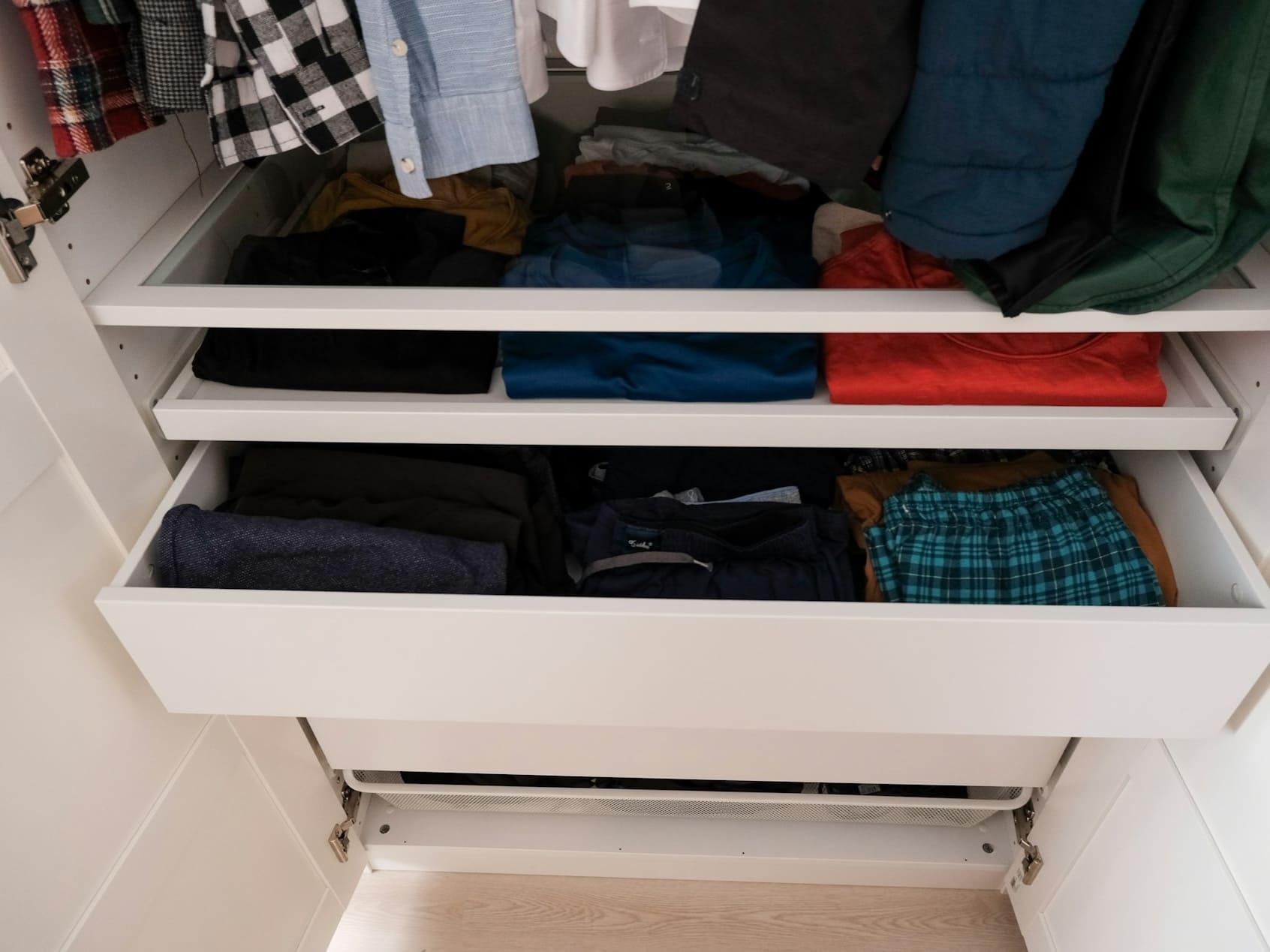
The house can look perfectly fine for a few days, then suddenly everything seems to need attention at once. Dishes accumulate, laundry waits to be folded, bathroom surfaces need cleaning, floors collect dirt, and the weekend starts looking like one long cleaning session.
The problem is often not a lack of effort. It is that too many jobs are being saved for the same day.
The most practical house cleaning tips are built around a routine that spreads the workload out. Instead of repeatedly trying to “clean the whole house,” separate maintenance into small daily resets, focused weekly tasks, and a short rotating monthly list.
A simple framework is:
Reset daily → divide weekly → rotate monthly → deep-clean seasonally → adjust as needed
The goal is not perfection. It is consistency.
Build Your Routine Around Daily, Weekly, and Monthly Cleaning
Not every cleaning job belongs on the same schedule.
A routine becomes much easier when you decide what needs frequent attention and what can wait.
Daily Tasks Prevent Small Messes From Becoming Weekend Jobs
Daily cleaning should focus on visible messes and heavily used areas.
Typical examples include:
- Wiping kitchen counters after use
- Handling dishes
- Putting obvious clutter away
- Spot-cleaning spills
- Checking high-traffic floors
- Resetting frequently used surfaces
The purpose is not to deep-clean every room.
You are simply preventing today’s mess from becoming Saturday’s project.
Weekly Tasks Handle Normal Household Buildup
A weekly routine can cover jobs such as:
- Vacuuming
- Mopping
- Dusting
- Bathroom cleaning
- Changing bed linens
- Changing towels
- Checking the refrigerator
- Emptying household bins
These are the jobs that usually need more attention than a quick daily reset but do not require a major deep-clean.
Monthly Tasks Handle Lower-Frequency Maintenance
Some jobs can move out of your weekly routine completely.
Possible monthly tasks include:
- Appliance cleaning where appropriate
- Cabinet fronts
- Blinds
- Light fixtures
- Blankets or comforters according to care instructions
- Closet or storage-area decluttering
- More thorough window cleaning as needed
The exact frequency should depend on the household, product, surface, and manufacturer’s instructions.
Keep Seasonal Jobs Out of the Weekly Plan
Tasks such as:
- Washing curtains
- Cleaning window screens
- Deep-cleaning upholstery
- Deep-cleaning rugs
- Major mattress cleaning
- Baseboard cleaning
- Storage-area overhauls
do not need to be part of an ordinary weekly routine.
That distinction matters.
If every possible cleaning task lives on your Saturday list, cleaning will always feel unfinished.
Use a Small Daily Reset to Protect the Weekly Routine
A short daily reset makes the weekly schedule much easier.
Keep it focused.
Reset the Kitchen After Use
Pay attention to:
- Dishes
- Counters
- Table
- Crumbs
- Food spills
Do not turn the evening kitchen reset into a full appliance-cleaning session.
Detailed appliance cleaning belongs on another schedule.
Put Visible Clutter Away
Take a few minutes to return things such as:
- Shoes
- Chargers
- Clothes
- Toys
- Bags
to their proper homes.
This makes a bigger difference than it may seem.
If surfaces and floors are already clear when your weekly cleaning starts, you can begin cleaning immediately instead of spending half the session moving things.
Deal With Spills Immediately
A fresh spill usually belongs in the “clean now” category.
Do not leave it for your next scheduled cleaning day if dealing with it immediately is practical.
Use a cleaning method suitable for the actual surface rather than assuming one cleaner works everywhere.
Pay Attention to High-Touch Areas
Frequently touched surfaces may include:
- Doorknobs
- Light switches
- Countertops
These should be cleaned regularly and when circumstances make additional cleaning appropriate.
That does not mean every high-touch surface needs a rigid once-daily schedule in every household.
Use the home and its actual level of use as your guide.
Keep the Daily List Short
A useful daily routine might simply be:
- Handle dishes and kitchen surfaces.
- Put visible clutter away.
- Clean fresh spills.
- Check heavily used floors.
- Handle laundry only when needed.
The daily routine exists to support the weekly schedule, not replace it.
Divide Weekly Cleaning Across the Week
One of the easiest ways to make cleaning feel more manageable is to stop saving everything for one day.
Assign different tasks to different days.
You can change the exact days to match your schedule.
Monday: Laundry and Bedding
Possible tasks:
- Change bed linens
- Start laundry
- Gather towels
- Put away obvious bedroom clutter
Keep the scope reasonable.
You do not need to reorganize the whole bedroom just because it is bedding day.
Tuesday: Finish Laundry and Reset Bedrooms
Possible tasks:
- Fold clothes
- Put clothes away
- Clear bedroom surfaces
- Pick up the bedroom floor if needed
This prevents clean laundry from becoming its own category of clutter.
Wednesday: Kitchen Maintenance
Possible tasks:
- Wipe cabinet fronts where needed
- Clean the microwave as needed
- Check the refrigerator for old or spoiled food
- Clean the kitchen floor
More detailed appliance maintenance should remain on a monthly or manufacturer-specific schedule.
For a deeper room-specific routine, see Kitchen Cleaning Tips: A Simple Routine for a Cleaner Kitchen.
Thursday: Dust and Vacuum
Focus on:
- Furniture
- Shelves
- Accessible horizontal surfaces
- Rugs
- Carpet
- High-use flooring
Working on one category across the home can sometimes feel easier than cleaning one whole room from top to bottom.
Friday: Bathrooms and Trash
Possible tasks:
- Sink
- Counter
- Mirror
- Toilet
- Tub or shower surfaces as needed
- Household bins
- Fresh towels
For a more detailed bathroom method, see Bathroom Cleaning Tips for a Fresher, Cleaner Space.
Saturday: Floors, Catch-Up, or One Rotating Task
Saturday can stay flexible.
Depending on what happened during the week, use it for:
- Mopping hard floors
- Catching up on one missed task
- Completing one monthly job
- Tidying an entryway
- Handling another household chore
The important part is that Saturday is not automatically a whole-house cleaning marathon.
Sunday: Light Reset or Rest
Sunday might include:
- Putting rooms back in order
- Checking laundry
- Restocking supplies
- Looking ahead at next week’s schedule
Or it may simply be your day off from cleaning.
A maintenance routine should not create seven consecutive days of chores.
Simple Weekly Cleaning Schedule
| Day | Main Tasks | Effort |
|---|---|---|
| Monday | Change bedding, start laundry, gather towels | Moderate |
| Tuesday | Fold and put away laundry, quick bedroom reset | Light |
| Wednesday | Kitchen surfaces, refrigerator check, kitchen floor | Moderate |
| Thursday | Dust surfaces, vacuum rugs, carpet, and high-use areas | Moderate |
| Friday | Bathrooms, trash, fresh towels | Moderate |
| Saturday | Mop as needed, catch-up, one rotating monthly task | Light–Moderate |
| Sunday | Quick reset, restock supplies, or rest | Light |
Effort describes relative workload, not a required amount of time.
A studio apartment, a large family home, a home with pets, and a rarely occupied home will not need the same schedule.
Use the table as a framework rather than a rule.
Create a Monthly Cleaning List
A monthly list keeps lower-priority jobs from invading your weekly routine.
Choose Only a Few Monthly Jobs at a Time
Possible monthly categories include:
- Selected appliance cleaning
- Cabinet fronts
- Blinds
- Light fixtures
- Blankets or comforters
- Closet or storage reset
- More thorough window cleaning
You do not need to do all of them on the first Saturday of the month.
Rotate the Work
A simple rotation might look like this:
Week 1
One kitchen appliance task
Week 2
Blinds or light fixtures
Week 3
Closet or storage review
Week 4
Textile or window task
The rotation can change each month.
The goal is to distribute maintenance rather than create a second monthly deep-cleaning day.
Follow Appliance Instructions
Appliance maintenance is not universal.
Different:
- Washing machines
- Refrigerators
- Dishwashers
- Ovens
- Range hoods
may have different cleaning and maintenance requirements.
Follow the exact manufacturer’s instructions rather than applying one online schedule to every model.
For example, some washing machines include dedicated cleaning cycles with their own recommended timing, while some refrigerators may require little or no routine condenser-coil cleaning under normal conditions.
The manual should decide, not a generic checklist.
Keep Cleaning and Disinfecting as Two Different Jobs
Routine cleaning and disinfecting are not the same thing.
Understanding the difference can keep your weekly schedule simpler.
Routine Cleaning Is Usually the Main Job
For most ordinary household situations, regular cleaning with soap or detergent is generally enough for routine surface maintenance.
Your normal weekly schedule should focus on:
- Dirt
- Dust
- Grease
- Crumbs
- Spills
- General surface buildup
Disinfection Is Situational
Disinfection may become more relevant when:
- Someone is ill
- Someone in the household is at higher risk
- A specific situation calls for it
That means “disinfect everything every day” does not need to be a standard part of a normal cleaning routine.
Clean First When Disinfection Is Needed
If a surface is dirty, clean it before applying a disinfectant.
Dirt and debris can interfere with how a disinfecting product works.
Follow the Product Label
When disinfecting, check the actual product instructions for:
- Approved surfaces
- Dilution where applicable
- Contact time
- Ventilation
- Protective equipment
- Storage
Do not assume one disinfectant works the same way as another.
Clean in an Order That Prevents Repeating Work
A consistent sequence makes cleaning easier.
Put Things Away First
Before wiping or vacuuming, remove:
- Clothes
- Toys
- Dishes
- Loose bathroom products
Cleaning around clutter adds unnecessary work.
Work Toward the Floor
A simple sequence is:
- Put items away.
- Dust or wipe upper surfaces.
- Clean fixtures and counters.
- Vacuum.
- Mop where needed.
Doing floors later prevents dust and crumbs from falling onto an area you just cleaned.
Finish One Zone Before Jumping Around
Avoid repeatedly moving between:
- Kitchen
- Bathroom
- Bedroom
unless the task naturally involves the whole house, such as collecting trash or vacuuming.
A predictable sequence reduces wasted movement.
Carry Supplies Together
A small cleaning caddy can hold frequently used products and tools.
This can reduce the number of trips back and forth for supplies.
Keep the caddy safely stored when it is not in use.
Adjust the Routine to Your Household
Cleaning schedules should be flexible.
They are not laws.
Homes With Pets
You may need more attention on:
- Floors
- Entryways
- Pet areas
- Upholstery
depending on the pet and the home.
Do not assume every pet household needs the same cleaning frequency.
Homes With Children
You may need more frequent attention to:
- Food spills
- Eating areas
- Play areas
- Heavily touched surfaces
Cleaning products should remain safely stored in their original containers and out of reach according to their labels.
Low-Traffic Homes
A guest bedroom used only occasionally may not need the same attention as:
- Kitchen
- Main bathroom
- Entryway
- Living room
Focus your routine on how spaces are actually used.
Let “As Needed” Be a Real Schedule
Some cleaning tasks make more sense when the area is:
- Visibly dirty
- Spilled on
- Used heavily
- Affected by unusual circumstances
Not everything needs a calendar date.
Build Consistency Without Trying to Be Perfect
The best routine is not the most detailed one.
It is the one you can resume after a bad week.
Attach Tasks to Existing Habits
Examples:
- Kitchen reset after dinner
- Trash before collection day
- Bedding when the washing machine is already running
- Bathroom cleaning before replacing towels
Connecting chores to existing routines reduces the number of decisions you have to make.
Give Each Job a Home on the Calendar
A weekly schedule removes the daily question:
“What should I clean today?”
Thursday is dust and vacuum day. Friday is bathroom day.
You can still adjust when necessary, but the basic decision is already made.
Create a Minimum Routine for Busy Weeks
When the week becomes difficult, prioritize the essentials.
A minimum version might include:
- Dishes
- Trash
- Essential laundry
- Bathroom basics
- Main floors
- Visible clutter
Everything else can wait.
Don’t Try to Repay Every Missed Task
If you miss Thursday’s dusting, you have options.
You can:
- Move it to Saturday, or
- Leave it until next week if the home is still reasonably clean
You do not need to complete Thursday, Friday, and Saturday’s lists all at once.
The goal is maintaining your home, not maintaining a perfect streak.
Share the Routine
Where appropriate, divide chores among household members.
Possible examples:
- One person handles floors
- Another handles laundry
- Someone else resets the kitchen
- Children put away age-appropriate belongings
A shared home does not need one person to own every maintenance task.
Keep Your Cleaning Supplies Simple
A cupboard full of products can make routine cleaning more confusing rather than easier.
Keep Frequently Used Tools Together
Your regular cleaning kit might contain the tools and products you use most often.
Specialized products can stay elsewhere until needed.
Choose Products for the Surface
Different materials may need different care.
Examples include:
- Wood
- Stone
- Stainless steel
- Glass
- Upholstery
- Electronics
Do not assume one cleaner is appropriate for all of them.
Read the Label
Cleaning-product labels can include:
- Approved surfaces
- Directions
- Warnings
- Storage information
- Disposal guidance
Read them even when the product seems familiar.
Never Mix Cleaning Products
Do not combine household cleaners unless the product instructions specifically tell you to do so.
Mixing products can create hazardous reactions or fumes.
Store Products Safely
Keep them:
- In original containers
- Properly closed
- With labels intact
- Away from children and pets
according to the product instructions.
Keep Some Safety Tasks on Their Own Schedule
Not every household maintenance task belongs in your daily, weekly, or monthly cleaning chart.
Dryer Lint Filter
The lint filter should be cleaned with each dryer use.
Dryer ductwork also has separate fire-safety maintenance requirements.
Treat these as appliance-safety tasks, not optional cleaning extras.
Filters and Appliance Components
Avoid putting every filter on a generic monthly replacement schedule.
Examples include:
- HVAC filters
- Range-hood filters
- Vacuum filters
- Refrigerator filters
Check the:
- Appliance manual
- Filter instructions
- Household conditions
instead.
Leave Technical Maintenance to Appropriate Guidance
If appliance work involves:
- Electrical components
- Gas
- Complex disassembly
- Specialized servicing
follow the manufacturer or use a qualified service provider.
A basic cleaning routine does not need to become a repair manual.
Common Weekly Cleaning Routine Mistakes
Saving Everything for Saturday
One missed weekend can then leave the whole routine behind.
Deep-Cleaning Every Room Every Week
Weekly cleaning does not need to include every:
- Baseboard
- Blind
- Curtain
- Storage box
- Appliance interior
Move lower-frequency work to monthly or seasonal lists.
Making the Schedule Too Detailed
A daily list with dozens of tasks is difficult to maintain.
Keep daily cleaning short.
Treating Every Room the Same
Busy and rarely used rooms do not need identical attention.
Disinfecting Everything Automatically
Routine cleaning is usually enough in ordinary household situations.
Disinfection is situational.
Cleaning Around Clutter
Put things away first.
Using One Cleaner Everywhere
Check the surface and the product.
Mixing Cleaning Products
Do not combine products unless their instructions specifically say to do so.
Letting Monthly Work Accumulate
Rotate monthly tasks instead of saving them all for one day.
Giving Up After Missing a Day
Resume.
You do not need to restart the whole house.
Set Up Your House Cleaning Routine in the Right Order
If you do not currently have a routine, build one from scratch.
Step 1: List the Rooms You Actually Use
For example:
- Kitchen
- Bathroom
- Bedrooms
- Living room
- Entryway
Step 2: Create a Short Daily Reset
Include only essentials such as:
- Dishes
- Clutter
- Spills
- High-use surfaces
- Quick floor check
Step 3: Identify the True Weekly Jobs
Possible tasks:
- Bathroom cleaning
- Dusting
- Vacuuming
- Mopping
- Bedding
- Towels
Step 4: Move Deep Cleaning Out of the Weekly List
Put tasks such as:
- Blinds
- Cabinet fronts
- Appliance maintenance
- Storage review
onto a monthly or seasonal list.
For a more complete periodic reset, see Spring Cleaning Tips: A Practical Whole-Home Checklist.
Step 5: Assign Weekly Tasks to Days
Spread them out.
Step 6: Match Tasks to Your Real Week
If Wednesday is consistently your busiest day, do not schedule your hardest cleaning job then.
Step 7: Prepare Supplies
Keep the products and tools you need accessible but safely stored.
Step 8: Define Your Busy-Week Minimum
Know which tasks matter most when you cannot complete the full schedule.
Step 9: Leave a Catch-Up Slot
Saturday can handle one missed task without turning into a total-house cleaning day.
Step 10: Adjust the Schedule
After a few cycles, ask:
- Which day always fails?
- Which task takes more effort than expected?
- Which room needs attention more often?
- Which task does not need to happen weekly?
Change the routine.
A schedule is supposed to serve you.
Remember:
Reset daily → divide weekly → rotate monthly → deep-clean seasonally → adjust as needed
Frequently Asked Questions About House Cleaning Routines
What Are the Best House Cleaning Tips for Staying Consistent?
Use:
- A small daily reset
- One main weekly category per day
- A rotating monthly list
- A catch-up slot
- A reduced routine for busy weeks
Avoid trying to do every cleaning job every week.
What Should I Clean Every Day?
Typical daily maintenance can include:
- Dishes
- Kitchen surfaces after use
- Visible clutter
- Spills
- High-use areas as needed
Keep the list small enough to maintain.
What Should I Clean Weekly?
Typical weekly tasks may include:
- Floors
- Dusting
- Bathrooms
- Bed linens
- Towels
- Refrigerator check
Adjust the schedule based on actual household use.
What Should I Clean Monthly?
Possible monthly tasks include:
- Cabinet fronts
- Blinds
- Light fixtures
- Selected appliance cleaning
- Blankets or comforters as appropriate
- Storage-area decluttering
Follow specific product and appliance instructions where relevant.
Is It Better to Clean the Whole House in One Day?
Not necessarily.
Spreading chores across several days can make routine cleaning easier to maintain and leaves less work for one weekend session.
Do I Need to Disinfect My House Every Day?
Generally, no.
Routine cleaning is normally enough for most household situations.
Disinfection becomes more relevant when someone is sick or when another specific risk makes it appropriate.
What If I Miss a Cleaning Day?
Resume the routine.
You can:
- Move the task to your catch-up day, or
- Leave a low-priority job until the next cycle
if it does not need immediate attention.
How Can I Make Weekly Cleaning Easier?
Reduce the amount of setup and decision-making.
Try:
- Putting clutter away regularly
- Assigning tasks to days
- Keeping supplies together
- Cleaning in the same order
- Moving monthly tasks out of the weekly schedule
Conclusion
A clean home does not require restarting from zero every weekend.
The most useful house cleaning tips are built around frequency and consistency.
Use:
Reset daily → divide weekly → rotate monthly → deep-clean seasonally → adjust as needed
Keep the daily routine small so visible messes do not build up. Divide normal weekly work across several days instead of saving everything for Saturday.
Move blinds, appliance care, storage reviews, and other lower-frequency jobs onto a rotating monthly list. Keep true deep cleaning separate from normal maintenance.
Focus routine cleaning on dirt and everyday buildup rather than automatically disinfecting everything. Follow product labels, use cleaners that suit the surface, and never mix cleaning products.
Most importantly, allow the system to bend.
If you miss a day, resume. If one day is consistently too busy, move the task. If a room rarely needs weekly attention, clean it less often.
Start by writing only three lists today:
Daily. Weekly. Monthly.
Keep only a few essential jobs on the daily list, divide your weekly chores across the calendar, and move everything else out of the weekly routine.