
You do not need a large backyard or a dedicated vegetable garden to grow useful herbs. A few well-chosen pots on a patio, balcony, doorstep, terrace, or bright windowsill can give you fresh basil for dinner, parsley for garnishing, mint for drinks, and rosemary or thyme whenever you need a sprig.
The biggest mistake is treating every herb as though it wants the same conditions.
Some herbs prefer sunny, freely drained containers that dry somewhat between waterings. Others appreciate more consistent moisture. Mint can quickly dominate a shared pot, while slow-growing Mediterranean herbs may struggle if planted with something that wants frequent watering.
The simplest approach is:
Choose → group → drain → fill → plant → water → position → harvest
Build your herb garden in pots around how the plants grow, not simply around which herbs look attractive together.
Choose Herbs That Grow Well in Pots
Most familiar culinary herbs can be grown successfully in containers.
Good options include:
- Basil
- Parsley
- Chives
- Thyme
- Oregano
- Sage
- Mint
- Rosemary
- Marjoram
- Summer savory
You do not need to grow all of them.
A small collection of herbs you regularly cook with is usually more useful than a large group that becomes difficult to maintain.
Choose Herbs Based on How You Cook
Think about the dishes you actually prepare.
For pasta, sauces, and tomato dishes, you might grow:
- Basil
- Oregano
- Parsley
For roasted vegetables or meats:
- Rosemary
- Thyme
- Sage
For salads and garnishes:
- Parsley
- Chives
- Basil
For drinks and tea:
- Mint
Starting with useful herbs also makes regular harvesting more natural, which can help keep many leafy herbs compact and productive.
Give Vigorous Herbs Their Own Space
Mint is one of the most important exceptions when planning a mixed container.
Its roots spread vigorously and can quickly compete with neighboring herbs.
Growing mint in its own pot makes it easier to:
- Control its spread
- Water it according to its own needs
- Repot or divide it later
- Prevent it from overwhelming slower-growing herbs
Remember That Some Herbs Become Large
A small nursery plant does not stay small forever.
Herbs such as:
- Rosemary
- Fennel
- Lovage
- Sorrel
- Sage
can need significantly more space as they mature.
Larger or long-lived herbs are often easier to manage in separate containers rather than squeezing several into a small decorative planter.
Pick Containers That Give Roots Enough Room
The container should work for the plant before it works as decoration.
You can grow herbs in many types of containers, including:
- Terracotta pots
- Plastic pots
- Glazed ceramic containers
- Window boxes
- Troughs
- Grow bags
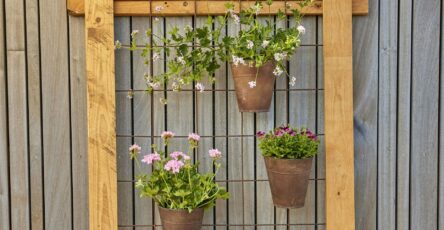
- Hanging containers where appropriate
The essential requirement is that the container can support healthy root growth and allow excess water to escape.
Match Pot Size to the Herb
When choosing a container, consider:
- Mature plant size
- Root system
- Number of herbs in the pot
- How quickly the pot may dry
- Whether the plant will stay there for several seasons
A compact herb such as chives may fit comfortably into a relatively modest container.
A long-lived rosemary or sage plant may eventually need considerably more root space.
Small Pots Need Closer Attention
Small pots can be convenient for:
- Narrow windowsills
- Tiny patios
- Limited balconies
But they contain less growing medium, so moisture can change more quickly.
A larger appropriate container provides:
- More root room
- Greater moisture reserve
- More room for several compatible herbs
but it will also be heavier and may be harder to move.
The goal is not to choose the biggest pot possible. Choose one that suits the herb and the space.
Make Drainage Non-Negotiable
Good drainage is one of the most important parts of container herb gardening.
Before planting anything, check the bottom of the pot.
Ask:
- Does it have drainage holes?
- Can excess water escape freely?
- Will an outer decorative pot trap water?
- Will a saucer remain full after watering?
If water cannot leave the root zone, the growing medium can remain saturated for too long.
Don’t Leave Pots Standing in Water
After watering, make sure excess water is not left around the bottom of the pot for long periods.
This is especially important when a nursery pot sits inside a decorative outer container where water can collect unnoticed.
Mediterranean Herbs Especially Need Free Drainage
Herbs such as:
- Rosemary
- Thyme
- Sage
- Oregano
generally prefer sunny, freely drained conditions.
They can be difficult to manage in the same small container as herbs that prefer consistently moist growing medium.
Drainage Does Not Mean Every Herb Should Stay Dry
Mint, parsley, basil, and chives can appreciate more consistent moisture than rosemary or thyme.
The goal is not to keep every herb dry.
It is to provide:
the right amount of moisture without leaving the roots waterlogged.
Use Potting Mix Instead of Heavy Garden Soil
Container roots live in a very different environment from roots growing directly in a garden bed.
They need a growing medium that can:
- Hold useful moisture
- Allow excess water to drain
- Leave space for air around the roots
- Remain manageable inside a pot
A quality potting mix designed for containers is generally a better choice than ordinary garden soil.
Why Garden Soil Is a Poor Default for Pots
Garden soil may become:
- Dense
- Heavy
- Slow to drain
when confined inside a container.
A loose, well-drained container mix is usually easier to manage.
Mediterranean Herbs May Benefit From Freer Drainage
Rosemary, thyme, oregano, sage, and similar herbs are particularly sensitive to prolonged wet conditions.
Use a container mix appropriate to the herbs you are growing rather than assuming the same mix is ideal for every plant.
There is no need to make the process unnecessarily complicated for a beginner.
A good starting point is:
Choose a quality container potting mix suitable for edible plants and adjust only when the particular herb requires different conditions.
Give Your Herbs the Right Amount of Sunlight
Light affects how well herbs grow, how compact they remain, and how productive they become.
Many popular culinary herbs prefer strong sun.
That commonly includes herbs such as:
- Rosemary
- Thyme
- Oregano
- Sage
- Basil
Other herbs may tolerate more partial shade.
Examples can include:
- Mint
- Parsley
- Chives
The exact needs depend on the species, climate, season, and intensity of the sun.
Don’t Give Every Herb the Same Position
A rosemary pot and a parsley pot do not necessarily need identical placement.
Consider:
- Which herb you are growing
- Outdoor temperature
- Seasonal sun intensity
- How much direct light the space gets
- Whether the plant is indoors or outdoors
Observe Your Space First
Potential locations include:
- Sunny balcony
- Patio
- Kitchen doorstep
- Terrace
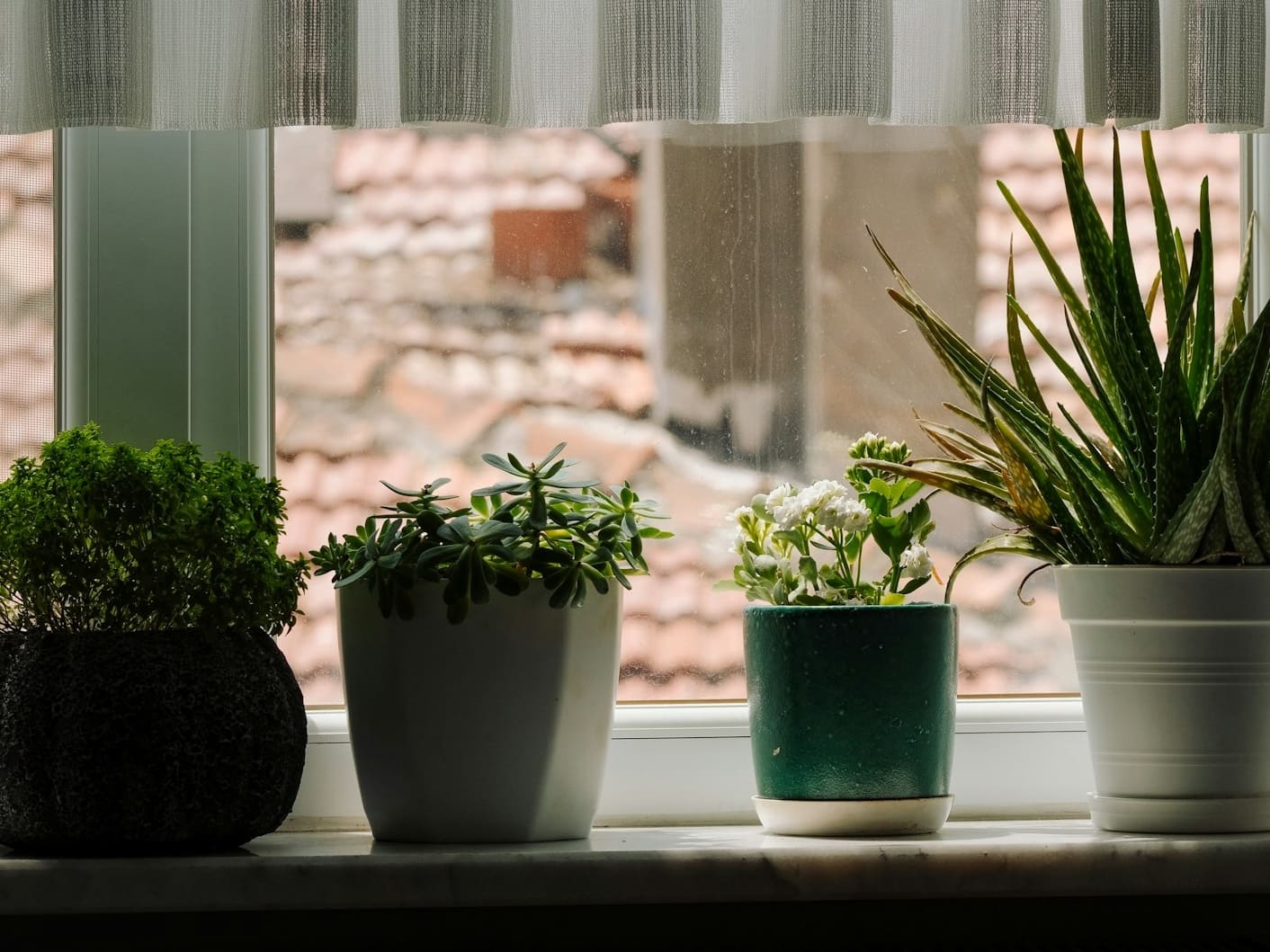
- Windowsill
Watch the space over the day before deciding where every pot belongs.
Indoor Herbs Still Need Enough Light
A kitchen windowsill is convenient, but convenience alone does not guarantee enough light.
Indoor success depends heavily on:
- Window orientation
- Distance from the glass
- Seasonal light levels
- Herb species
Do not assume every herb will thrive in any available window.
Group Herbs by Growing Needs
One of the most useful ways to plan an herb garden in pots is to group plants according to similar light and moisture requirements.
Do not group herbs only because they taste good together.
Group Mediterranean Herbs Together
A compatible container may include some combination of:
- Rosemary
- Thyme
- Sage
- Oregano
- Marjoram
- Winter savory
These herbs generally share a preference for:
- Strong light
- Good drainage
- Relatively drier conditions
Make sure the container is large enough for the mature plants rather than crowding them together simply to create a full-looking arrangement.
Group Herbs That Prefer More Regular Moisture
Another pot might contain compatible herbs such as:
- Parsley
- Chives
- Basil
depending on your climate and setup.
These can usually tolerate more consistent moisture than dry Mediterranean herbs.
Keep Mint Separate
Mint is often easier to manage alone.
Its vigorous roots can dominate a shared container, and keeping it separate also allows you to water it independently.
Avoid Conflicting Water Needs
A poor combination would be:
mint + thyme in one small container
Mint generally wants more consistent moisture, while thyme prefers freer-draining, relatively dry conditions.
Whatever watering schedule you choose will probably favor one plant more than the other.
Herb Grouping Guide at a Glance
| Herb | General Container Conditions | Possible Partners | Watch Out For |
|---|---|---|---|
| Rosemary | Sunny, freely drained, relatively dry | Thyme, sage, oregano | Can become large |
| Thyme | Sunny, excellent drainage | Rosemary, sage, oregano | Dislikes prolonged wet conditions |
| Sage | Sunny, well drained | Thyme, rosemary, oregano | Needs more room as it matures |
| Oregano | Sunny, well drained | Thyme, rosemary, sage | Can spread |
| Basil | Warm, sunny, more regular moisture | Chives or compatible annuals | Cold sensitivity and flowering |
| Parsley | Sun or partial shade, consistent moisture | Chives or similar-moisture herbs | Different needs from dry Mediterranean herbs |
| Chives | Sun or partial shade, moderate moisture | Parsley, suitable annual herbs | Clumps enlarge over time |
| Mint | More moisture, sun or partial shade | Best grown separately | Very vigorous roots |
These are general compatibility clues rather than rigid rules.
Exact growing conditions can vary with:
- Species
- Cultivar
- Climate
- Container
- Season
Compatibility is more important than fitting the maximum number of herbs into one pot.
Plant Your Herb Garden in the Right Order
Once you have chosen compatible herbs, planting is straightforward.
Step 1: Choose the Herbs
Start with a few herbs you regularly use.
Step 2: Group Similar Plants
Separate:
- Drier Mediterranean herbs
- Herbs that prefer more consistent moisture
- Vigorous plants such as mint
Step 3: Choose the Containers
Check:
- Root space
- Mature plant size
- Number of plants
- Drainage holes
Step 4: Position Large Pots First
Containers become much heavier once they contain:
- Potting mix
- Plants
- Water
Place large pots in their intended location before filling them when practical.
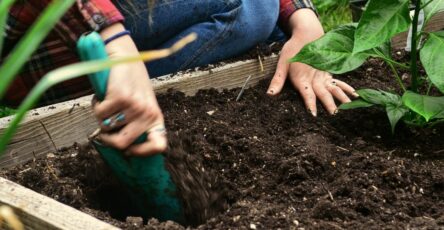
Step 5: Add Potting Mix
Use a loose, well-drained mix appropriate for container herbs.
Step 6: Remove Plants Carefully
Avoid pulling a young herb by a delicate stem.
Handle the root ball carefully and disturb it only as appropriate for that plant.
Step 7: Plant at the Appropriate Depth
As a general starting point, keep the plant close to the depth at which it was already growing unless species-specific guidance tells you otherwise.
Step 8: Leave Room for Growth
A new mixed planter does not need to look completely full on planting day.
Crowding young plants can create problems later as they mature.
Give the herbs enough room for:
- Roots
- Foliage
- Air movement
- Harvesting
Step 9: Water After Planting
Water thoroughly enough to settle the potting mix while allowing excess water to escape through the drainage holes.
Step 10: Move the Pot Into Suitable Light
Do not automatically put every herb pot in the same place.
Match each container to the plants growing inside it.
Water According to the Herb and the Container
There is no universal schedule for watering herbs in pots.
The right frequency changes with:
- Herb species
- Pot size
- Growing medium
- Temperature
- Wind
- Sun
- Plant size
- Season
Check Before You Water
Look at:
- Surface moisture
- Moisture slightly deeper in the mix
- Weight of the container
- Weather
- Plant condition
Water because the plant and growing medium need it, not simply because a certain number of days have passed.
For a deeper guide, see How Often Should You Water Container Plants? A Practical Guide to Getting It Right.
Water Thoroughly
When watering, apply enough for water to begin draining from the bottom.
This helps wet the root zone more evenly than repeatedly adding tiny amounts to the surface.
Empty Standing Water
Do not allow water to remain collected beneath the pot for long periods.
Expect Faster Drying in Hot Weather
Containers can dry much faster during:
- Hot conditions
- Wind
- Strong sun
- Active growth
A small pot may need attention much sooner than a large container.
That does not mean every pot automatically needs daily watering.
Check first.
Water Different Containers Differently
Your rosemary pot may not need the same treatment as your:
- Mint
- Basil
- Parsley
This is one of the main advantages of grouping herbs by similar needs.
Feed Potted Herbs Lightly
Container plants have access to a limited amount of growing medium, so nutrients may eventually need replenishing.
But herbs generally do not benefit from aggressive feeding simply to force rapid growth.
More Fertilizer Is Not Always Better
Excessive feeding can create problems and is unnecessary for many herbs.
Follow:
- The fertilizer label
- Potting-mix instructions
- Species-specific recommendations
rather than applying a universal schedule.
A heavily harvested basil plant may require different attention from a slow-growing thyme plant.
Harvest Regularly
Harvesting is not only the reward for growing herbs.
For many herbs, it is also part of ongoing maintenance.
Let New Plants Establish
Avoid removing large amounts immediately after planting.
Give the plant time to produce enough healthy growth.
Harvest From Growing Tips Where Appropriate
Pinching or cutting growing tips can encourage bushier growth in many leafy herbs.
Basil is a familiar example.
Regular pinching can help it branch rather than developing one long central stem.
Don’t Remove Too Much at Once
Perennial herbs need enough healthy foliage remaining to continue growing.
Take what you need without stripping a small plant heavily.
Harvest Leafy Herbs Before Heavy Flowering When Leaves Are the Priority
Many leafy culinary herbs are at their most useful before or around flower-bud development.
If your goal is continued leaf production, regular harvesting and pinching can help manage flowering.
Flowers Can Still Be Useful
You may choose to allow some herbs to flower when you want:
- Flowers
- Pollinator interest
- Seeds
Your harvesting method should match your goal.
Keep Herb Pots Somewhere Convenient
The best location is not only one with suitable light.
It should also be somewhere you can realistically maintain and harvest the plants.
Useful locations can include:
- Kitchen doorstep
- Sunny patio
- Balcony
- Terrace
- Convenient bright windowsill
Make Watering Easy
If the pots are difficult to reach, watering becomes another chore.
Consider:
- Access to water
- Drainage
- Harvesting
- Ability to inspect the plants
- Whether large pots ever need to move
Avoid Impractical Decorative Displays
A shelf packed with tiny herb pots may look attractive at first but become frustrating when:
- Pots dry very quickly
- Upper pots are hard to reach
- Water drips onto lower plants
- Different herbs receive inappropriate light
A useful herb garden should be easy to care for as well as attractive.
Common Herb Garden Mistakes
Planting Every Herb Together
Herbs are not one single growing category.
Group according to light and moisture requirements.
Putting Mint Into a Mixed Pot
Mint can rapidly spread through the container and compete with its neighbors.
Give it its own pot when practical.
Using Containers Without Drainage
Drainage holes should be considered essential.
Filling Pots With Heavy Garden Soil
Use potting mix designed for container growing.
Overcrowding
Do not plant young herbs at their current nursery size without considering how large they will become.
Watering Every Pot Together
Different herbs and containers dry at different rates.
Keeping the Growing Medium Constantly Wet
Many herbs, especially Mediterranean types, dislike prolonged wet conditions.
Assuming All Herbs Want Dry Soil
Basil, parsley, mint, and newly planted herbs may need more consistent moisture than established rosemary or thyme.
Putting Every Herb in Intense Sun
Some herbs tolerate more shade, and local climate matters.
Feeding Too Heavily
More fertilizer does not automatically produce better herbs.
Never Harvesting
Many herbs benefit from regular cutting and pinching.
Harvesting Too Aggressively
Leave enough foliage to support continued growth.
Forgetting Mature Size
A small rosemary or sage plant may eventually need substantially more space.
Keep Your Potted Herb Garden Productive
Once the containers are established, regular maintenance is simple.
Check Moisture Frequently
Pay closer attention during:
- Hot weather
- Windy periods
- Active plant growth
Remove Dead or Diseased Material
Keep an eye out for unhealthy foliage and remove affected material appropriately.
If you notice unexplained yellowing, spots, or decline, see Why Are My Plant Leaves Turning Yellow? Common Causes and What to Check before assuming the problem is a lack of water or fertilizer.
Keep Harvesting
Use the herbs.
A productive herb garden should not become a collection you are afraid to cut.
Repot Long-Lived Herbs When Needed
Perennial herbs may eventually:
- Fill the container with roots
- Need fresher growing medium
- Need division
- Require a larger pot
Mint in particular may eventually need lifting, dividing, or repotting.
Adjust for the Season
Not all herbs respond to cold in the same way.
Tender herbs such as basil may need different treatment from hardier perennial herbs.
Outdoor growing and overwintering decisions should depend on:
- Species
- Local climate
- Temperature
- Container exposure
Avoid following a universal calendar that ignores local conditions.
Frequently Asked Questions About Growing Herbs in Pots
How Do I Grow an Herb Garden in Pots?
Start with herbs you regularly use, then:
- Group compatible herbs.
- Choose containers with drainage holes.
- Use a quality container potting mix.
- Place each pot in suitable light.
- Water according to the plant and actual moisture.
- Harvest regularly.
What Herbs Grow Well in Pots?
Good options include:
- Basil
- Parsley
- Chives
- Thyme
- Oregano
- Sage
- Rosemary
- Mint
Choose according to your climate, available light, and how much space the mature plant will need.
Can I Grow Several Herbs in One Pot?
Yes, provided:
- The container is large enough
- Their mature sizes are compatible
- They want similar light
- Their moisture requirements are similar
Rosemary, thyme, sage, and oregano can be useful examples of herbs with broadly compatible Mediterranean-style growing needs.
Which Herbs Should Not Be Planted Together?
Avoid combining herbs with strongly conflicting moisture requirements.
Mint is also generally easier to manage in its own pot because its roots can spread aggressively through a mixed container.
What Soil Should I Use for Herbs in Pots?
Use a loose, well-drained potting mix designed for container growing rather than filling the pot with heavy garden soil.
Do Herb Pots Need Drainage Holes?
Yes.
Drainage holes allow excess water to escape and help prevent the root zone from remaining saturated.
How Often Should I Water Potted Herbs?
There is no single correct schedule.
Water need depends on:
- Herb
- Pot size
- Light
- Temperature
- Wind
- Season
- Potting mix
Check moisture first and water according to the actual conditions.
Can I Grow Herbs Indoors?
Yes, but adequate light is essential.
Do not assume every windowsill will be bright enough for every herb.
Match the herb to the available indoor conditions.
Why Is My Potted Herb Dying?
Check:
- Drainage
- Soil moisture
- Light
- Pot size
- Temperature
- Pests
- Species-specific care
before automatically watering or fertilizing it.
Conclusion
A successful herb garden in pots does not require dozens of plants.
It requires the right herbs in the right containers and combinations.
Use:
Choose → group → drain → fill → plant → water → position → harvest
Grow herbs you genuinely use. Give them enough root space, and make drainage holes non-negotiable.
Use a quality container potting mix rather than heavy garden soil. Put herbs where they receive suitable light, and group plants according to similar moisture requirements rather than simply placing your favorite flavors together.
Keep mint separate when practical. Do not water every pot on the same schedule, and avoid leaving containers sitting in water.
Feed according to actual needs, harvest regularly, and leave enough healthy foliage for continued growth.
As perennial herbs mature, be ready to give them more space or fresh potting mix.
If you are starting your first potted herb garden, keep it simple.
Begin with three containers:
- One pot for compatible Mediterranean herbs
- One pot for a more moisture-loving herb such as basil or parsley
- One separate mint pot
Once those are growing well, expand your herb collection based on what you actually enjoy cooking with.